Our mission
Provide practical digital training that people can access, understand and use—to study, work, run a business or build technology.
Choose your language
EnglishFull websiteKinyarwandaUbufasha ku masomoFrançaisGuide des programmesProgramme guides in Kinyarwanda and French. Full course details in English.
 Find your starting point
About Digital Bridge Rwanda
We are building a practical training programme for Rwanda: a place to learn how to use a computer, develop useful technical skills and prepare for work or a business of your own.
The experience behind the programme
Before someone can write software, they need time with a computer. Before they can apply for a job online, they need to know how to prepare a document, upload it and send it. Those first steps are easy to overlook when you have already learned them.
Digital Bridge Rwanda grows out of CODAFRIQA’s engineering and community teaching experience. That experience includes teaching primary-school children how to use computers at Gasaka Primary School in Nyamagabe through PLAN International’s Save the Youth programme. It is part of the background our team brings to this work—not a claim that those organisations have endorsed Digital Bridge Rwanda.
Teaching a first computer lesson and building software may seem like different kinds of work. For us, they belong on the same path. A person cannot develop technical ability without somewhere to practise, someone to explain and enough time to try again.
That is the problem Digital Bridge Rwanda is designed to address. We want to make the starting point available, then give learners a clear route beyond it. A first-time learner should not be left at the basics forever. A student with experience should not have to start again from zero.
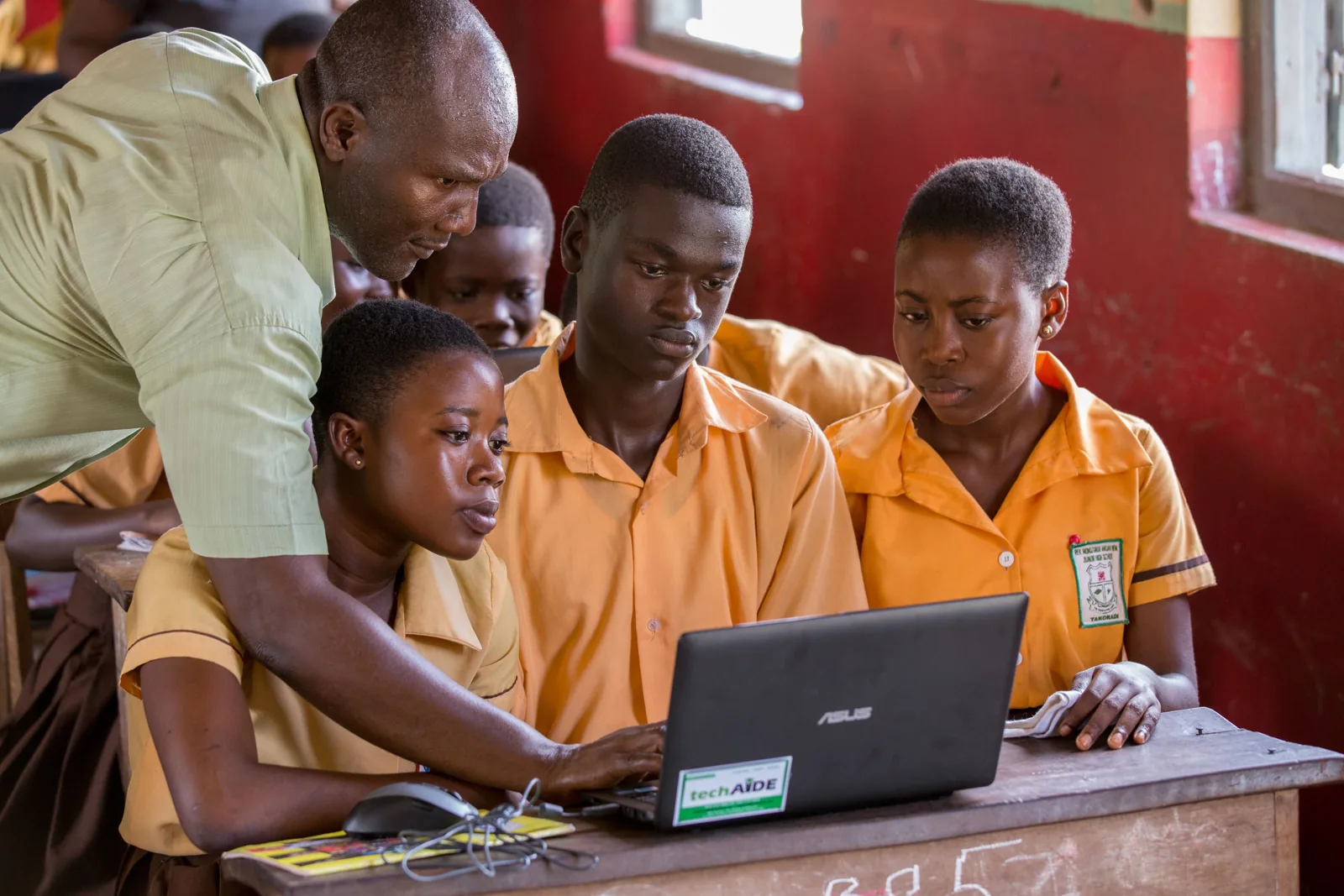
What we are here to do
Our mission
Provide practical digital training that people can access, understand and use—to study, work, run a business or build technology.
Our vision
A Rwanda where every person has a fair opportunity to gain digital skills, regardless of income, disability, gender, age, nationality or where they live.
Our first priority is to reach people excluded by cost, distance or inaccessible learning environments. Our invitation is wider: everyone deserves a suitable place to begin.
Inclusion is how we plan delivery
You may be a refugee, a member of a host community, a person with a disability, a rural woman, a school pupil, a teacher, a business owner or someone changing careers. You may have left school early. You may be returning to learning after many years.
You are welcome to ask about a programme. We begin with what you can already do and what you want to learn. Entry requirements depend on the course; not having previous computer experience does not stop you from starting with Foundations.
Through the sponsored route, partners cover tuition for underserved learners. Free places at different levels depend on the funding available, rather than a rule that sponsored learners can only study the basics.
Community venues, partner facilities and mobile units are part of the delivery plan. Specialist courses may still require an equipped centre. We will confirm venues and practical arrangements with each cohort.
We plan for accessible venues, adapted materials and appropriate learning support. Tell us what would help you participate. We will discuss what can be provided before you enrol.
A curriculum with a clear next step
Our framework contains 16 programmes and 99 modules across four families. Learners practise tasks, build projects and demonstrate their skills through assessment.
Computer use, documents, email, online services, job applications and digital tools for a small business.
02Digital confidence for educators and practical learning opportunities for pupils.
03Practical technology preparation for learners moving on from S3 or S6.
04Intensive programmes in software engineering, UI/UX design, data, cybersecurity and networks.
Placement and course entry requirements apply. Accreditation and external recognition are being sought. A programme place does not guarantee employment or income.
What we have. What we need.
CODAFRIQA has skilled engineers ready to facilitate and a documented curriculum. The immediate constraint is the money needed to equip learning spaces and deliver training.
Funding will help purchase computers, provide connectivity and reliable power, prepare accessible spaces and bring training closer to communities. Sponsorship can also cover the teaching, equipment use and assessment needed for a learner or a whole cohort.
The model combines partner-funded learning for underserved communities with paid programmes for the wider public and commissioned training for institutions. This creates more than one source of support for the programme. We will agree delivery costs, learner groups, locations and reporting with each partner.
We want partners to see what their support makes possible. The planned reporting follows a learner’s starting skills, practical work and assessed progress. We will distinguish people enrolled from people completing a course, and learning results from employment outcomes. Targets will never be presented as achievements.
The organisation behind Digital Bridge Rwanda
Digital Bridge Rwanda is a programme of CODAFRIQA LTD, a Rwandan research and engineering company working across artificial intelligence, software, data, cybersecurity and digital platforms. Our team is based in Kigali.
The programme is preparing for launch, subject to funding. We have not yet reported a completed Digital Bridge cohort. Our curriculum and investment case are available for anyone who wants to examine the plan before supporting it.
To ask about learning, contact info@digitalbridgerwanda.org. To discuss funding, equipment or institutional collaboration, write to partnerships@digitalbridgerwanda.org.
Read the curriculum and funding plan